

An expert committee constituted by the Commission for Air Quality Management (CAQM) has drafted a long-term roadmap aimed at significantly reducing vehicular emissions in Delhi-NCR. The proposal, which is currently open for feedback, outlines a phased withdrawal of older Bharat Stage (BS) emission-standard vehicles and a gradual transition towards zero tailpipe emission transport.
The panel, chaired by IIT Madras professor Ashok Jhunjhunwala, has recommended the immediate removal of BS-I, BS-II and BS-III vehicles from the region. It has also suggested phasing out BS-IV vehicles over the next five years. Under the draft plan, BS-VI two-wheelers could be withdrawn by 2035, while BS-VI cars may remain in operation until 2040.
Health concerns appear to be a key driver behind the proposal. The panel noted that during periods when the Air Quality Index (AQI) crosses 250, exposure levels are considered severe, with potential long-term consequences for vulnerable populations. Rising demand for respiratory medical equipment and medication has also been cited as an indicator of worsening air quality impacts.
Beyond phasing out older vehicles, the roadmap proposes discouraging the registration of new petrol and diesel vehicles in a gradual manner. It emphasises the need to accelerate adoption of Zero Tailpipe Emission (ZTE) vehicles, a category that includes battery electric and hydrogen fuel-cell vehicles.
The draft suggests that all new two-wheelers used for commercial purposes, as well as taxis registered after April 2027 in Delhi-NCR, should be ZTE vehicles. From April 2028, newly registered light commercial vehicles such as pickup trucks and mini-trucks may also need to meet zero-emission criteria. Additionally, the panel has proposed that only electric cars be registered in the region from April 2030 onwards.
To balance environmental objectives with consumer interests, the proposal includes a transition window of 10-15 years for phasing out BS-VI vehicles. This is intended to prevent financial hardship for recent buyers while still moving towards cleaner mobility goals.
Other measures under consideration include restricting the usage of BS-IV vehicles during high-pollution periods beginning later this year, and potentially limiting BS-VI vehicle operations from 2035 onward. The panel has also indicated the need for a legal framework establishing a “right to charge” to ensure residents have access to EV charging infrastructure at homes and workplaces.
The draft recommendations are yet to be finalised and may undergo revisions following stakeholder consultation. If implemented, the roadmap would mark one of the most aggressive regional transitions away from internal combustion engine vehicles in India.
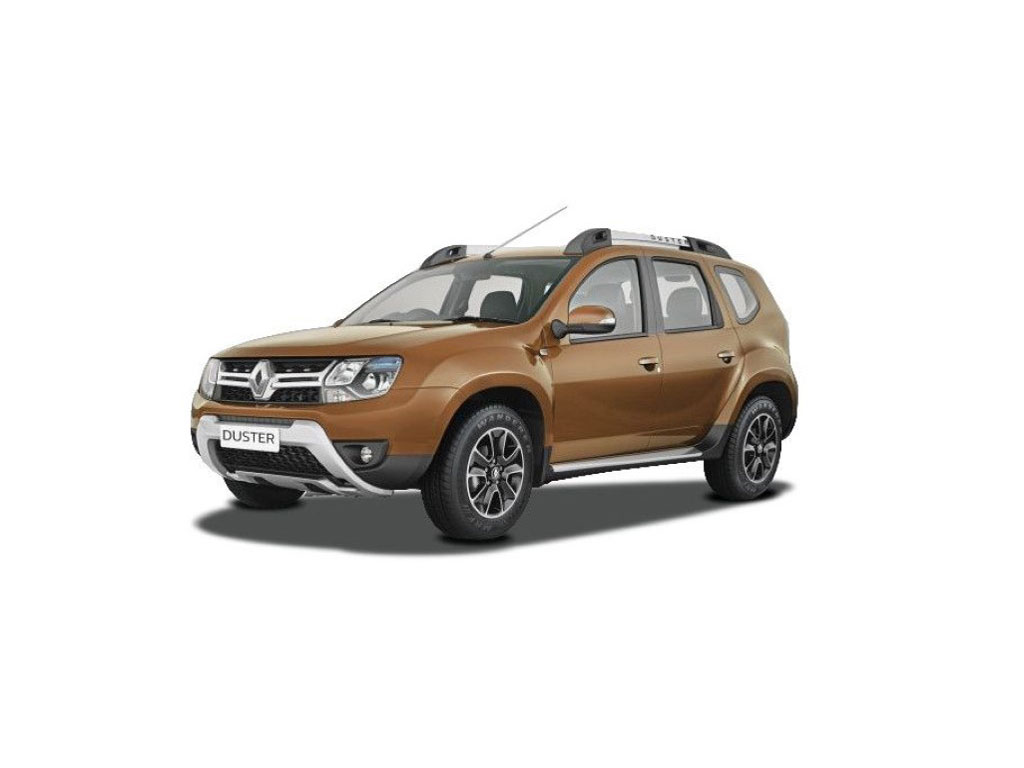
The post Expert Panel Proposes Gradual Phase-Out Of BS4 Vehicles in Delhi-NCR appeared first on MotorBeam.
Author

prakhar@affmantra.com
Related Posts
Toyota Hyryder Strong Hybrid Gets Smaller Battery Pack
Toyota has confirmed that the Urban Cruiser Hyryder Strong Hybrid now uses a smaller battery pack as part of an update introduced...
Read out all
Range Rover SV prices cut significantly ahead of India-UK FTA
- 0
- 299 words
Jaguar Land Rover India has announced a notable price revision for its flagship SV models of the Range Rover SV and Range...
Read out all
Volvo Announces Large OTA Software Update For Cars Built Since 2020
- 0
- 438 words
Volvo rolls out major OTA update improving infotainment interface across 2.5 million cars Volvo has announced a large over-the-air (OTA) software update...
Read out all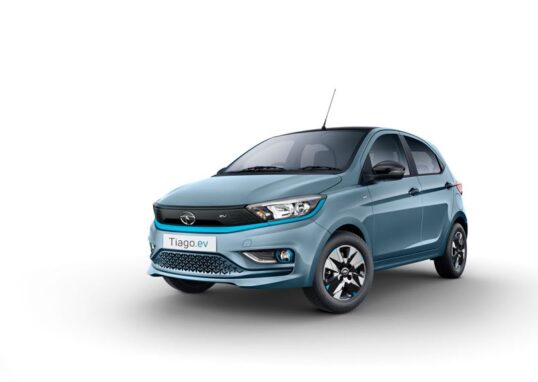
Tata Introduces Doorstep EV Charging Service In Delhi-NCR
- 0
- 334 words
Tata introduces mobile doorstep EV charging service for Delhi-NCR electric vehicle owners Tata Motors has partnered with Hopcharge to introduce an on-demand...
Read out all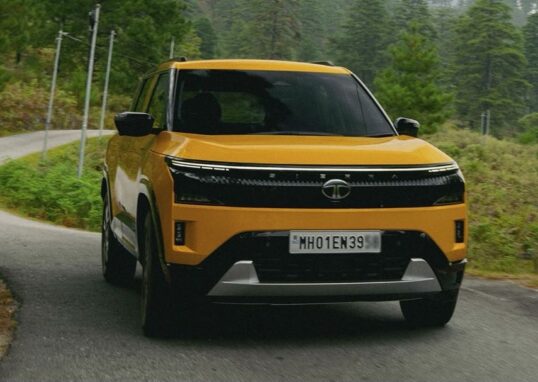
Tata Sierra Crosses 10,000 Deliveries Shortly After Launch
- 0
- 304 words
Tata Sierra crosses 10,000 deliveries soon after launch in India Tata Motors has announced that the newly launched Tata Sierra has crossed...
Read out all
Renault Bridger Concept Teased Ahead Of March 10 Reveal
- 0
- 440 words
Renault Bridger Concept previews rugged new sub-4 metre SUV for India Renault has announced a new concept vehicle called the Renault Bridger...
Read out all